Wellness in 2026 is less about extremes and more about integration, personalization, and sustainability. In Toronto especially, we’re seeing a shift away from one-size-fits-all fitness and luxury-only wellness, toward experiences that are smarter, more human, and better aligned with real life.
Here are the wellness trends we believe will shape 2026 — and where each one currently sits in its evolution.
Augmented Biology
Current Phase: Early-Adopter Acceleration
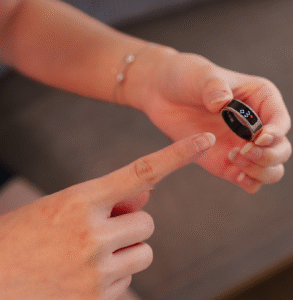
Augmented Biology represents the move from “feeling good” to measuring, optimizing, and enhancing how we function. This includes wearables, biofeedback tools, cognitive training, recovery tech, and performance-focused health data.
Rather than replacing traditional wellness, this trend layers technology on top of it — helping people understand how their bodies actually respond to stress, sleep, training, and recovery. While still led by early adopters, it’s rapidly moving toward mainstream awareness, especially in urban, tech-forward communities.
Social Heat + Cold
Current Phase: Experiential Growth
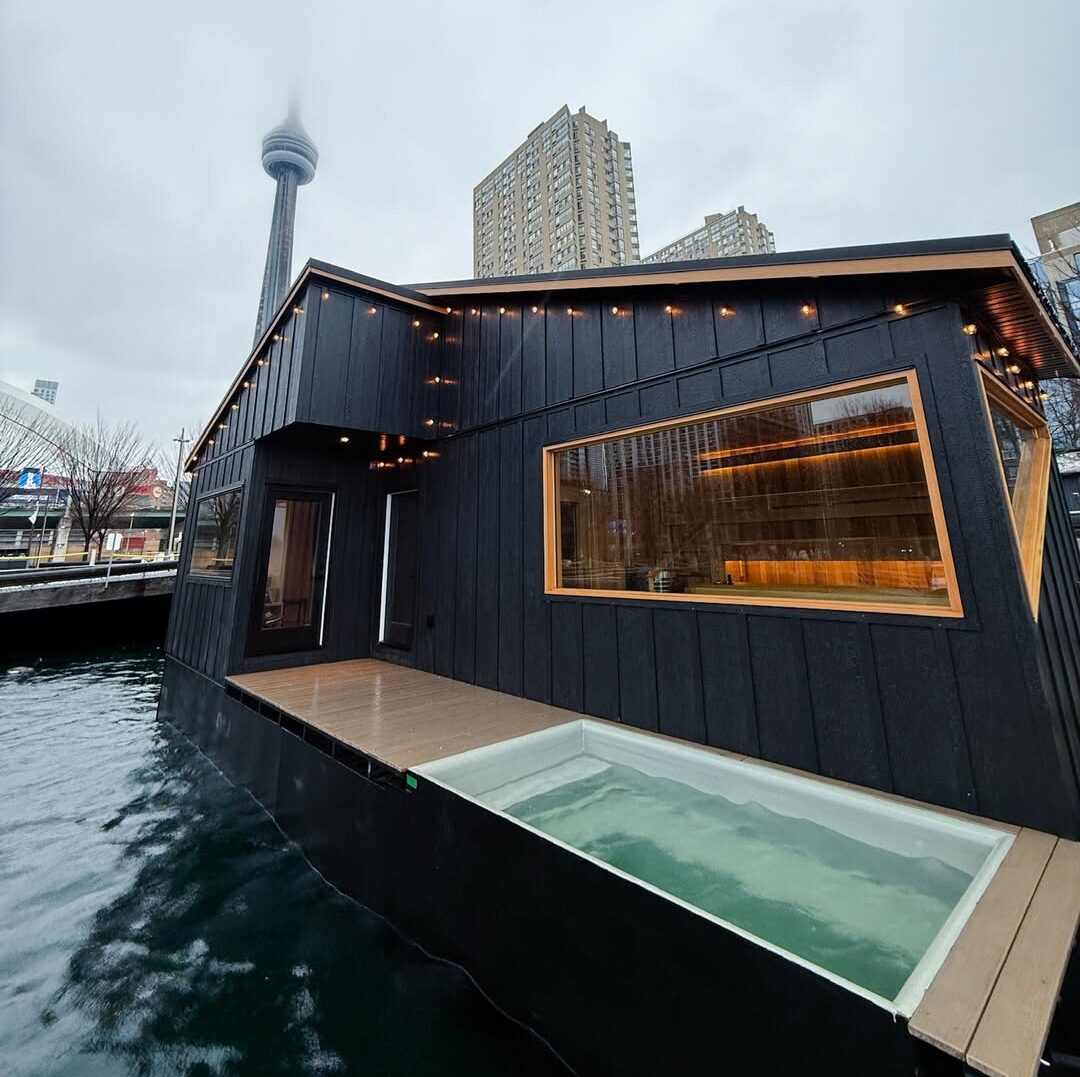
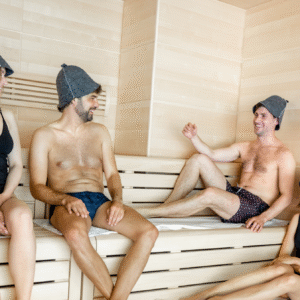
Saunas and cold plunges are no longer just recovery tools — they’re becoming ritualized, social experiences. In 2026, heat and cold therapy is less about suffering alone and more about shared rituals, often paired with music, breathwork, or guided facilitation.
This trend thrives because it blends physical benefits with community, making wellness feel less clinical and more cultural. Expect more spaces designed around the experience rather than just the modality.
Micro-Retreats
Current Phase: Rapid Momentum
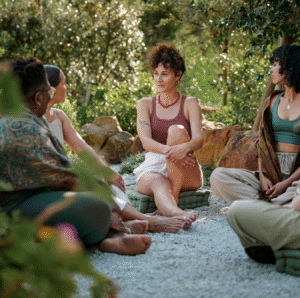
As time becomes more limited, people are seeking depth without long absences. Micro-retreats — half-day or single-day immersive experiences — deliver many of the benefits of traditional retreats without the travel or commitment.
These experiences often combine movement, reflection, rest, and seasonal themes, offering a reset that fits into real schedules. In cities like Toronto, micro-retreats are quickly becoming a preferred way to engage with wellness beyond weekly classes.
Life-Stage Focus
Current Phase: Early & Targeted Adoption
Rather than generic programming, wellness is becoming life-stage specific. This includes offerings designed for women at different hormonal phases, parents, caregivers, or mid-career professionals managing stress and burnout.
These programs acknowledge that wellness needs shift over time — and that context matters. While still niche, life-stage wellness is gaining traction as people seek support that reflects where they actually are in life.
Menstrual Cycle Training
Current Phase: Early Awareness & Uptake
Menstrual cycle training brings hormone awareness into movement and fitness. Instead of pushing intensity year-round, programming adapts to different phases of the cycle — emphasizing strength, recovery, or rest when appropriate.
This trend is growing quickly in women’s wellness spaces, driven by education and a desire for more body-literate fitness. In 2026, cycle-aware training will continue to move from conversation into consistent class formats and coaching styles.
Community First
Current Phase: Established, Still Evolving
Community is no longer a “nice-to-have” — it’s a core reason people choose where to practice wellness. Small group workshops, ongoing series, and intimate circles are replacing drop-in-only models.
This trend reflects a desire for continuity, familiarity, and belonging. While community-first wellness is already well established, it continues to evolve through more intentional formats and longer-term engagement.
Men’s Wellness
Current Phase: Emerging Niche
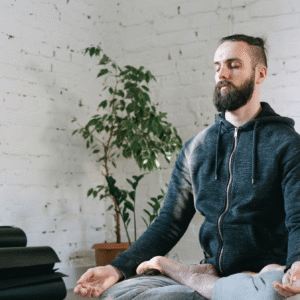
Men’s wellness is expanding beyond traditional fitness into emotional health, nervous-system regulation, and mental wellbeing. Workshops, group sessions, and movement experiences designed specifically for men are slowly becoming more visible.
Adoption is still cautious, but momentum is building as conversations around mental health and emotional resilience become more normalized. In 2026, this space remains emerging — but important.
Sleep Reset
Current Phase: Early Awareness Stage
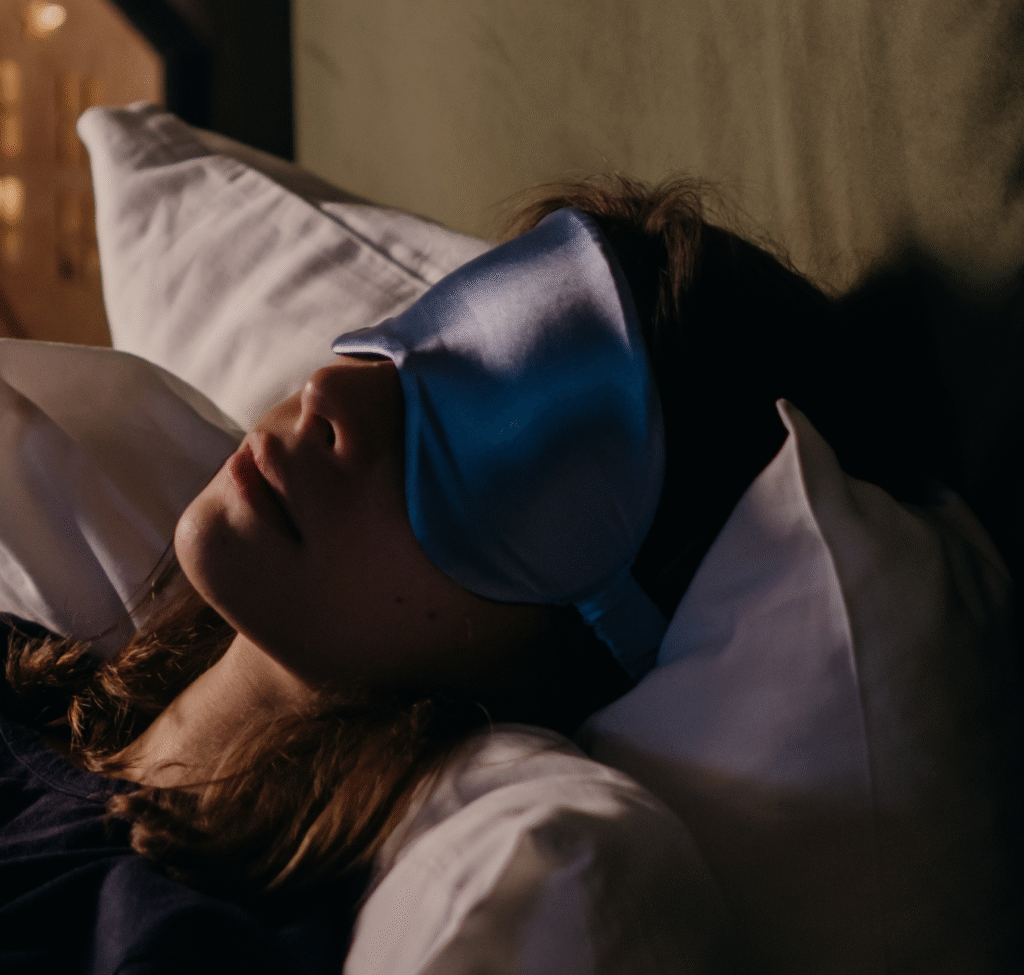
Sleep is increasingly recognized as foundational, yet still underserved in wellness programming. Sleep Reset experiences focus on wind-down sessions, sleep hygiene rituals, and recovery-first products or classes designed to support deeper rest.
Rather than optimizing performance, this trend prioritizes rest as a practice. While awareness is growing, dedicated sleep-focused offerings remain limited — making this an area with strong growth potential.
Trauma-Informed Movement
Current Phase: Slow-Build Adoption
Trauma-informed movement integrates mental and emotional safety into physical practice. Classes are designed with choice, consent, and nervous-system awareness at the forefront, rather than intensity or aesthetics.
This trend requires skilled facilitation and trust, which means it grows more slowly. However, its impact is deep, and it continues to influence how movement is taught across many modalities.
Longevity & Preventive Health Integration
Current Phase: Early Mainstream Crossover
Longevity is shifting from elite biohacking into more accessible wellness and clinical settings. This includes data-informed approaches such as health testing, personalized supplements, metabolic insights, and lifestyle interventions designed to extend healthspan.
Rather than focusing on extremes, this trend emphasizes preventive, long-term wellbeing. In 2026, longevity is becoming less about optimization for the few, and more about sustainable health for the many.
The Big Picture
Wellness in 2026 is not about doing more — it’s about doing things with intention, context, and longevity in mind. The strongest trends reflect a move toward personalization, community, and integration, rather than intensity or exclusivity.
These are the shifts we’re watching closely — and the ones shaping what wellness looks like next.

Author: BeWell TO
BeWell TO